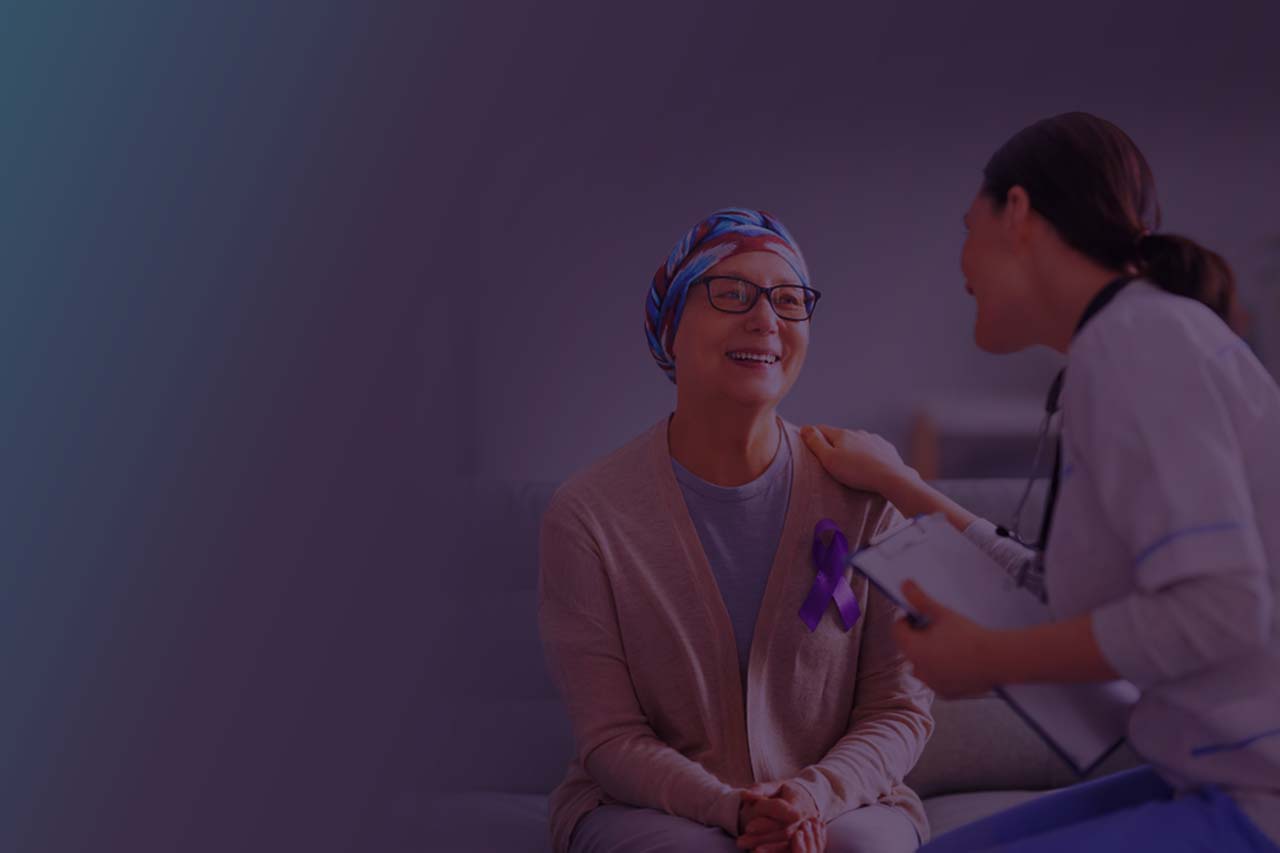
World Cancer Day is a moment to take stock of how far cancer science and care have progressed, and where the hardest challenges still remain. Over recent decades, advances in early detection, precision medicine, immunotherapy, and supportive care have reshaped cancer outcomes across many indications. Expanded screening programs, improved diagnostics, and preventive strategies such as HPV and hepatitis vaccinations have reduced the burden of several cancers and improved survival rates[1]. Public awareness initiatives have also strengthened understanding of modifiable risk factors, including tobacco use, unhealthy diets, physical inactivity, and environmental exposures[2].
Despite these advances, progress has not been uniform. Millions of people worldwide still lack access to timely diagnosis, effective treatment, and quality palliative care, particularly in low- and middle-income regions[3]. Health inequities, late-stage presentation, and misinformation continue to limit the impact of existing tools and therapies. As global cancer incidence continues to rise, World Cancer Day highlights the need for healthcare systems that are not only innovative, but resilient, evidence-based, and capable of delivering progress where it is most difficult to achieve.
Advancements in the Detection of Cancer
Cancer detection has undergone significant transformation in recent years, enabling earlier diagnosis, greater accuracy, and improved outcomes. Traditional methods such as imaging, biopsy, and histopathology remain foundational, but they are increasingly complemented by molecular and digital technologies. High-resolution imaging techniques, including PET-CT, MRI, and low-dose CT scans, have improved the detection of tumors at earlier, more treatable stages, particularly in lung, breast, and colorectal cancers[4].
Among the most promising advances is liquid biopsy, which enables the detection of cancer-related genetic mutations, circulating tumor DNA (ctDNA), and other biomarkers from blood or body fluids[5]. This minimally invasive approach supports early diagnosis, real-time disease monitoring, and evaluation of treatment response. In parallel, next-generation sequencing (NGS) allows comprehensive genomic profiling, helping identify tumor-specific alterations and guide more personalized therapeutic strategies[6].
Artificial intelligence (AI) and machine learning are also becoming integral to radiology and pathology, improving image interpretation, improving screening efficiency, and reducing diagnostic variability[7]. Advances in biomarker discovery, spanning protein, metabolic, and immune signatures, further strengthen early detection strategies. Together, these innovations are shifting cancer diagnosis toward earlier, more precise, and more individualized approaches, improving survival and quality of care worldwide.
Advances in the Treatment of Cancer
Cancer treatment has advanced remarkably over the past two decades, moving from largely non-specific interventions toward more targeted and personalized approaches. Targeted therapies now act on defined genetic mutations or molecular pathways that drive tumor growth, improving effectiveness while limiting damage to healthy tissue[8]. Therapies directed against HER2 in breast cancer, EGFR in lung cancer, and BRAF in melanoma exemplify this precision-based approach[9].
Immunotherapy has emerged as one of the most transformative developments in oncology. Immune checkpoint inhibitors, CAR-T cell therapies, and cancer vaccines harness the immune system to recognize and eliminate malignant cells, delivering durable responses in cancers once considered difficult to treat[10]. Combination strategies that integrate immunotherapy with chemotherapy, radiation, or targeted agents have further expanded treatment possibilities.
Radiation therapy has also advanced, with techniques such as intensity-modulated radiation therapy (IMRT), proton therapy, and stereotactic radiosurgery enabling precise tumor targeting while minimizing harm to surrounding tissue[11]. Surgical innovation, including minimally invasive and robotic-assisted procedures, has reduced complications and recovery times.
Collectively, these advances have reshaped cancer care, improving survival, disease control and quality of life.
Challenges in the Detection and Treatment of Cancer
Despite scientific and clinical progress, substantial challenges remain. Many cancers are asymptomatic in their early stages, leading to diagnosis only after disease progression[12]. Limited access to screening programs, diagnostic tools, and trained healthcare professionals, particularly in resource-constrained settings, further delays early identification. Socioeconomic barriers, fear, stigma, and misinformation continue to discourage timely medical evaluation, weakening prevention and early detection strategies.
Biological complexity adds another layer of difficulty. Tumor heterogeneity and the absence of universally reliable biomarkers complicate early and accurate diagnosis[13]. Even advanced imaging and molecular tools may fail to detect certain cancers at their earliest stages, highlighting the need for more sensitive, affordable, and accessible diagnostic solutions.
Treatment challenges are equally significant. Cancer cells can develop resistance to chemotherapy, targeted therapies, and immunotherapies, leading to disease progression or relapse[14]. Tumor diversity across individuals limits the effectiveness of standardized treatment approaches, reinforcing the need for strategies that adapt to cancer’s resilience.
Treatment-related toxicities, high costs, and uneven access to advanced therapies further widen global disparities in outcomes[15]. Addressing these challenges requires innovation grounded in strong biological understanding, alongside sustained investment in research and healthcare infrastructure.
The Significance of World Cancer Day
Observed annually on February 4, World Cancer Day unites the global community in raising awareness and advancing action across prevention, early detection, treatment, and care. It provides a platform to share evidence-based information on cancer risk factors, warning signs, and the value of screening, empowering individuals to make informed health decisions and seek care earlier.
Beyond awareness, World Cancer Day highlights the importance of equitable access to quality healthcare. It draws attention to disparities in outcomes across regions and populations, advocating for policies that support affordable diagnosis, treatment, and supportive care. It also emphasizes the need for care models that address physical, emotional, and social dimensions of cancer.
World Cancer Day is ultimately a call to collective responsibility, honoring those affected, supporting caregivers, and reinforcing global commitment to advancing research, strengthening healthcare systems, and tackling cancers that remain hardest to treat. It is a reminder that meaningful progress depends not only on innovation, but on ensuring that innovation is capable of addressing the cancers that remain most difficult to treat.
References:
1. Brotherton, J. M., La Montagne, D. S., & Bloem, P. J. (2025). Global status of HPV vaccination two decades in: effective, safe and preventing cancer. Expert Review of Vaccines, (just-accepted), 2609869.
2. Scott, J. N. (2025). Quantifying Modifiable Lifestyle Behaviors and Influences Associated With Preventable Cancers in Selected Rural Counties: A Mixed Method Study (Doctoral dissertation, University of South Dakota).
3. Barragan-Carrillo, R., Asirwa, F. C., Dienstmann, R., Pendhakar, D., & Ruiz-Garcia, E. (2025). Global oncology: tackling disparities and promoting innovations in low-and middle-income countries. American Society of Clinical Oncology Educational Book, 45(3), e473930.
4. Kumar, M., Sahu, S., Verma, A., Kumar, N., Yadav, G., & Singh, A. P. (2025). Emerging Imaging Modalities for Early Cancer Detection: A Review.
5. Coppola, C. A., De Summa, S., Matera, G., Pilato, B., Traversa, D., & Tommasi, S. (2025). Liquid Biopsy: The Challenges of a Revolutionary Approach in Oncology. International Journal of Molecular Sciences, 26(11), 5013.
6. Molla, G., & Bitew, M. (2025). The future of cancer diagnosis and treatment: Unlocking the power of biomarkers and personalized molecular-targeted therapies. Journal of Molecular Pathology, 6(3), 20.
7. Pérez-Sanpablo, A. I., Quinzaños-Fresnedo, J., Gutiérrez-Martínez, J., Lozano-Rodríguez, I. G., & Roldan-Valadez, E. (2025). Transforming medical imaging: the role of artificial intelligence integration in PACS for enhanced diagnostic accuracy and workflow efficiency. Current Medical Imaging, 21(1), e15734056370620.
8. Maqsood, Q., Khan, M. U., Fatima, T., Khalid, S., & Malik, Z. I. (2025). Recent insights into breast cancer: molecular Pathways, epigenetic Regulation, and emerging targeted therapies. Breast Cancer: Basic and Clinical Research, 19, 11782234251355663.
9. Jamalinia, M., & Weiskirchen, R. (2025). Advances in personalized medicine: translating genomic insights into targeted therapies for cancer treatment. Annals of Translational Medicine, 13(2), 18.
10. Kumar, V., Wajpeyi, S. M., Yadav, P., & Tarare, B. (2025). Pharmacological Strategies in Cancer Immunotherapy: Advancing Immune Checkpoint Inhibitors, CAR-T Cell Therapies, and Cancer Vaccines. Journal of Pharmacology and Pharmacotherapeutics, 0976500X251398611.
11. Algranati, C. (2025). Technological advances in external beam radiotherapy. Study of new treatment strategies.
12. Mannucci, A., & Goel, A. (2025). Advances in pancreatic cancer early diagnosis, prevention, and treatment: The past, the present, and the future. CA: A Cancer Journal for Clinicians.
13. Colonna, G. (2025). Overcoming barriers in cancer biology research: current limitations and solutions. Cancers, 17(13), 2102.
14. Mathan, S. V., & Singh, R. P. (2025). Cancer Stem Cells Connecting to Immunotherapy: Key Insights, Challenges, and Potential Treatment Opportunities. Cancers, 17(13), 2100.
15. Tfayli, A. H., El‐Halabi, L. N., & Khuri, F. R. (2025). Global disparities in cancer care: Bridging the gap in affordability and access to medications between high and low‐income countries. Cancer, 131(1), e35590.
One Reply on “World Cancer Day: Progress Made, Gaps That Still Matter”
Comments are closed.