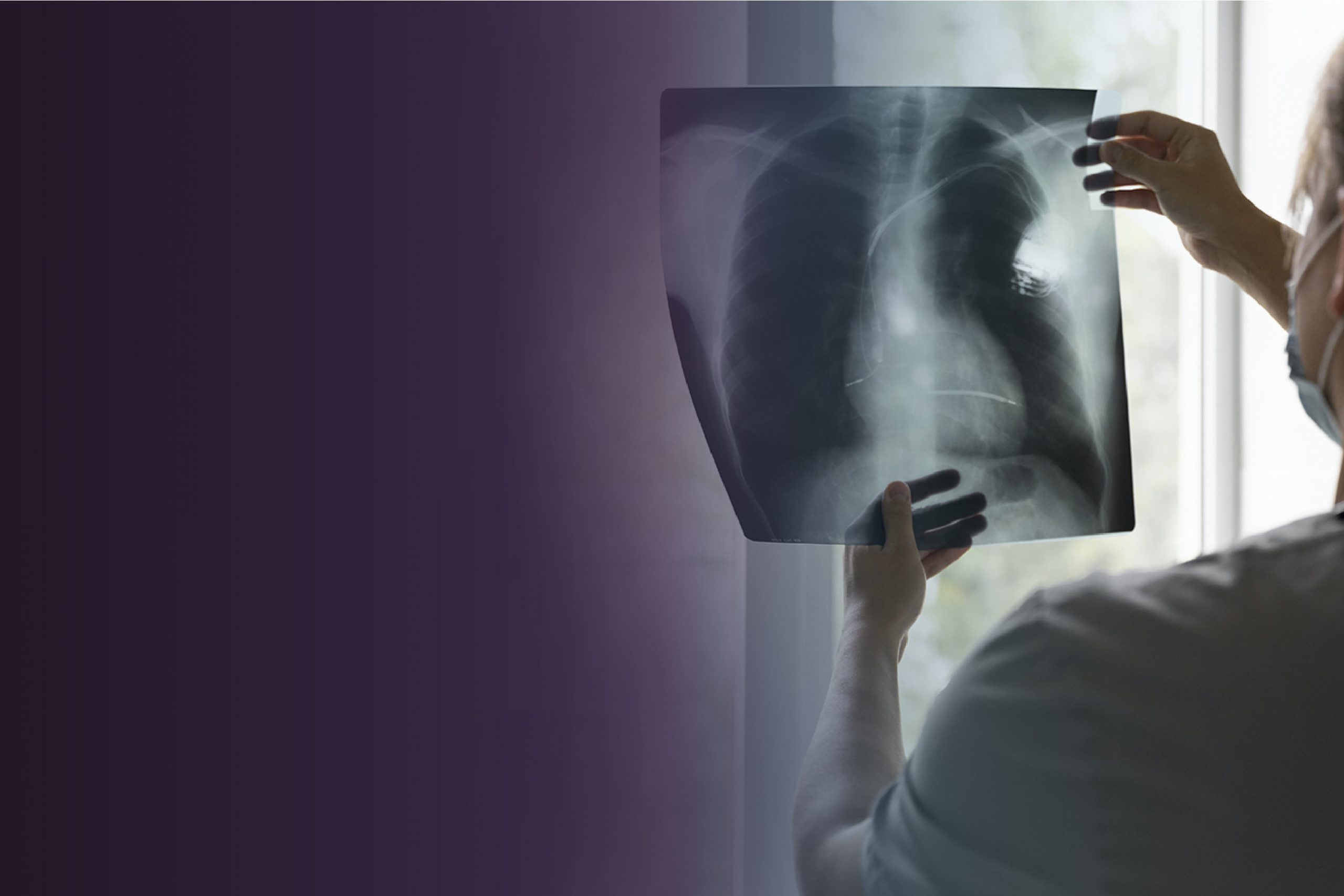
Over the past decade, scientists have uncovered an unexpected truth: the gut and the lungs are in constant communication, connected by immune pathways and microbial signals that influence inflammation, immunity and even cancer risk. This relationship, known as the lung-gut axis, is driven largely by metabolites and microbial products released in the gut that circulate through the bloodstream to shape lung health[1].
The most influential of these messengers include short-chain fatty acids (SCFAs) produced by gut bacteria, amino acid (tryptophan) metabolites, bile acids, polyamines and microbial components such as lipopolysaccharides[1]. Rather than staying confined to the digestive system, these signals influence lung inflammation, immune balance, tissue repair, and susceptibility to respiratory diseases.
As research expands, it is becoming clear that the lung-gut axis affects almost every aspect of pulmonary immunity, from how the lungs respond to infections, to how they react to allergens, and even how cancer may develop.
How Signals Travel From Gut to Lung
A central player in this connection is the diet. When gut bacteria digest fiber, they produce SCFAs, which act as continuous, low-level signals that keep the immune system calibrated and ready to respond. These SCFAs enter the bloodstream and bind to receptors such as FFAR2 and FFAR3 on immune cells and lung tissue, setting a “baseline immune tone” that influences how the lungs respond to stress or injury[2].
Studies comparing germ-free and conventionally raised mice show that mice lacking gut microbes have dramatically lower levels of SCFAs and lipopolysaccharides (LPSs), underscoring the microbiome’s role in generating these immune-modulating signals. Alveolar macrophages, the resident immune cells of the lungs, express receptors for these microbial metabolites and use them to calibrate their baseline activation state. In their absence, the macrophages become more pro-inflammatory, increasing lung inflammation and creating a less stable immune environment in the lungs. Reviews of SCFA biology further show that these metabolites regulate how immune cells behave in the lungs, including directing neutrophil movement, Regulatory T cell (Treg) expansion, T helper 17 (Th17) cell balance, and cytokine production in various lung diseases[2].
Together, these findings make it clear that gut microbes constantly influence the lungs’ readiness to respond to pathogens and injury.
How Dysbiosis Shapes Lung Inflammation
When the gut microbiome becomes imbalanced, this imbalance often extends to the lungs. Research in asthma and obesity shows that loss of microbial diversity and altered SCFA levels impair immune regulation in the airways, worsening airway hyperresponsiveness and promoting type 2 inflammation (a skewed immune response that promotes mucus production, eosinophilic inflammation, and airway remodeling). Because obesity already predisposes individuals to chronic inflammation, microbiome dysbiosis in this setting compounds immune dysfunction, and is linked to more severe asthma symptoms, including breathing difficulties and airway tightening.
Meta-omics studies integrating microbial and metabolic data show that disruptive changes in gut-derived metabolites alter lung immune signaling, intensifying airway inflammation and increasing airway sensitivity.
This connection also extends to metabolic disorders. Lower gut microbial richness is associated with obesity, insulin resistance and lipid abnormalities, all of which contribute to systemic inflammation that harms lung health. Reviews highlight that disruptions in the gut-adipose tissue axis also predict poorer metabolic and lung outcomes[1].
Microbial Metabolites and Lung Cancer
The lung-gut axis plays an increasingly recognised role in cancer biology. Research shows that gut-derived metabolites such as SCFAs, tryptophan derivatives and polyamines influence the immune microenvironment within the lungs, including how T cells, macrophages and natural killer cells behave.
When dysbiosis alters these metabolites, it promotes chronic inflammation, weakens immune surveillance and creates a tissue environment that favors tumor growth. In parallel, certain microbial metabolites can directly influence lung tissue structure, driving fibrotic remodeling that is a common precursor to lung malignancy.
This emerging evidence is significant for immuno-oncology. Improving microbial balance may make it possible to strengthen antigen presentation, enhance T cell responses and improve the effectiveness of immune checkpoint inhibitors in lung cancer[3].
The Overlap of Gut Health, Obesity and Lung Immunity
Obesity is one of the strongest modifiers of the lung-gut axis. It disrupts the microbiome in ways that increase systemic inflammation, alter SCFA production, and exacerbate lung disease, particularly asthma. Conversely, studies in overweight and obese adults show that specific gut microbial profiles are associated with better metabolic health and lower inflammation, which may also support greater resilience in the lungs[4].
Together, these findings highlight how metabolic health, gut microbial composition, and respiratory immunity are tightly interconnected, forming a shared network that shapes disease severity.
Shaping Future Treatments Through the Lung–Gut Axis
Because gut microbes influence lung immunity so deeply, researchers are exploring new therapeutic strategies using this connection.
1. Immune priming with SCFAs
High-fibre diets and SCFA-producing probiotics can increase beneficial metabolites in the lungs, helping immune cells respond more appropriately to infection and inflammation[5].
2. Microbiota-directed therapies
Emerging therapies such as probiotics, prebiotics, synbiotics and fecal microbiota transplantation show promise in lung diseases including asthma, COPD, and respiratory infections[5].
3. Enhancing immunotherapy in cancer
By restoring healthy metabolite profiles, microbiome-based strategies may improve outcomes of immunotherapies such as PD-1 and PD-L1 inhibitors in lung cancer[6].
These therapeutic directions show tremendous potential, offering ways to influence lung immunity by acting through the gut, a concept once considered impossible.
A New Horizon for Immune and Cancer Therapy
The lung-gut axis is emerging as a powerful framework for understanding how microbial signals shape inflammation, immune regulation, and cancer risk in the lungs. By revealing the crosstalk between distant organs, mediated by metabolites and immune pathways, this field is redefining how respiratory disease and cancer are understood, and how they may be treated. As this knowledge advances, it will inform a new generation of therapies designed to intervene earlier, more precisely, and with greater biological insight.
At Helix BioPharma, we are committed to advancing science that translates these insights into action. By harnessing immune and metabolic pathways, we aim to develop more targeted and effective therapies that reflect the true complexity of cancer.
References:
1. Deepika, Alsharari ZD, Ahmad MF, et al. Gut-lung axis, probiotics, and prebiotics: insights on dysbiosis, mechanism, and prevention of lung cancer. Front Nutr. 2025;12:1624803. Published 2025 Jul 30. doi:10.3389/fnut.2025.1624803
2. Liu, Q., Tian, X., Maruyama, D., Arjomandi, M., & Prakash, A. (2021). Lung immune tone via gut-lung axis: Gut-derived LPS and short-chain fatty acids’ immunometabolic regulation of lung IL-1β, FFAR2, and FFAR3 expression. American Journal of Physiology – Lung Cellular and Molecular Physiology, 321 (1), L65–L78. doi:10.1152/AJPLUNG.00421.202
3. Li X, Shang S, Wu M, Song Q, Chen D. Gut microbial metabolites in lung cancer development and immunotherapy: Novel insights into gut-lung axis. Cancer Lett. 2024;598:217096. doi:10.1016/j.canlet.2024.217096
4. Tashiro H, Kuwahara Y, Takahashi K. Gut-lung axis in asthma and obesity: role of the gut microbiome. Front Allergy. 2025 Jun 16;6:1618466. doi: 10.3389/falgy.2025.1618466. PMID: 40589493; PMCID: PMC12206879.
5. Ney LM, Wipplinger M, Grossmann M, Engert N, Wegner VD, Mosig AS. Short chain fatty acids: key regulators of the local and systemic immune response in inflammatory diseases and infections. Open Biol. 2023;13(3):230014. doi:10.1098/rsob.230014
6. Shi M, Wang LF, Hu WT, Liang ZG. The gut microbiome in lung cancer: from pathogenesis to precision therapy. Front Microbiol. 2025 Aug 20;16:1606684. doi: 10.3389/fmicb.2025.1606684. PMID: 40909921; PMCID: PMC12405165.